The energy transition is no longer just an environmental challenge. For the countries of the Global South, and in particular for the members of the Pacific Alliance – Chile, Mexico, Peru and Colombia – it represents an economic, fiscal and social decision that will define their competitiveness, macroeconomic stability and social welfare for decades to come. The cost of inaction is no longer expressed only in emissions: it is reflected in lower growth, higher financial risk, fiscal pressures and social tensions.
Justice in transition: it is not an attribute, it is a condition of implementation.
The document shows that an energy transition can only be considered just if it can be implemented in practice. Viability depends on four dimensions that advance in parallel:
- Productive transformation, directing the industrial apparatus towards sectors with the capacity to generate employment, investment and linkages.
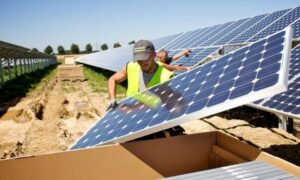
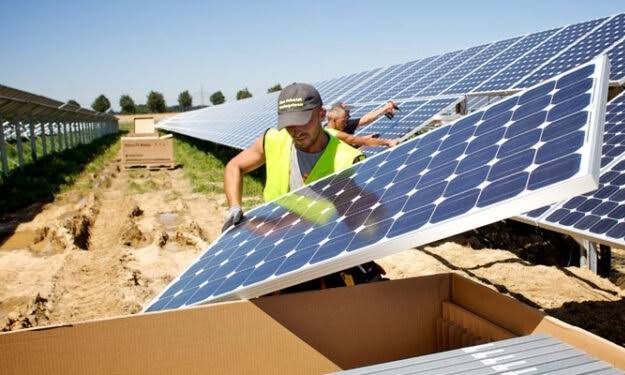
- Energy transformation, modernizing the energy matrix through renewables, electrification and smart grids.
- Financial transformation, redesigning public revenues and expenditures to gradually replace fossil revenues without weakening social and productive investment.
- Social transformation, reducing energy poverty, protecting workers in transition and avoiding territorial gaps.
In the four countries analyzed, there are already sectors that can drive this transformation -manufactures linked to renewables, efficient logistics, advanced services, sustainable construction and modern agro-industries- but they require policies that increase their scale and articulation.
The macroeconomic cost of not moving
The macroeconomic index constructed in the research shows that postponing the transition generates differentiated risks depending on the country. While Mexico still has a temporary window to act without major macroeconomic tensions, Chile and Peru are already experiencing more noticeable pressures in investment and trade balance. Colombia faces the highest exposure due to its dependence on exports and fiscal revenues linked to hydrocarbons.
The no-regret scenarios show that delaying change does not preserve the status quo. Over time, public debt increases, growth weakens and the fiscal capacity to finance the transition and social protection is reduced. In other words: acting early costs less than acting late.
Energy poverty: the social starting point
Incorporating energy poverty as a policy criterion modifies the traditional conception of the transition. The analysis reveals that:
- Chile maintains high and uniform levels of energy access.
- Mexico combines high coverage with significant gaps in connectivity and clean cooking.
- Peru faces marked lags in refrigeration, communication and entertainment.
- Colombia has good basic access, but needs to improve refrigeration, connectivity and quality of service.
These results demonstrate that the energy transition must not only reduce emissions: it must improve access to energy welfare in households and territories.