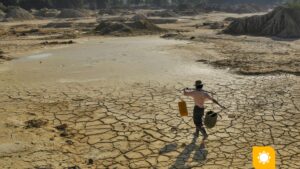
This document aims to evaluate the impact of climate variability on agricultural production in Colombia and to assess the effectiveness of irrigation districts as an adaptation measure. For the analysis, a multidimensional panel data model with random effects was applied to estimate the effects on crops reported in 1,101 Colombian municipalities between 2007 and 2017.
Two variables were used to represent climate shocks: (i) the sum of absolute monthly deviations in precipitation relative to its historical mean, and (ii) the mean monthly deviations in temperature compared to its historical average. The interaction between irrigation districts and rainfall levels was used as the adaptability variable. The results indicate that the three-dimensional panel data model presented in this document shows strong applicability, despite its limited use and the scarcity of studies on the effects of climate variability on agricultural production.
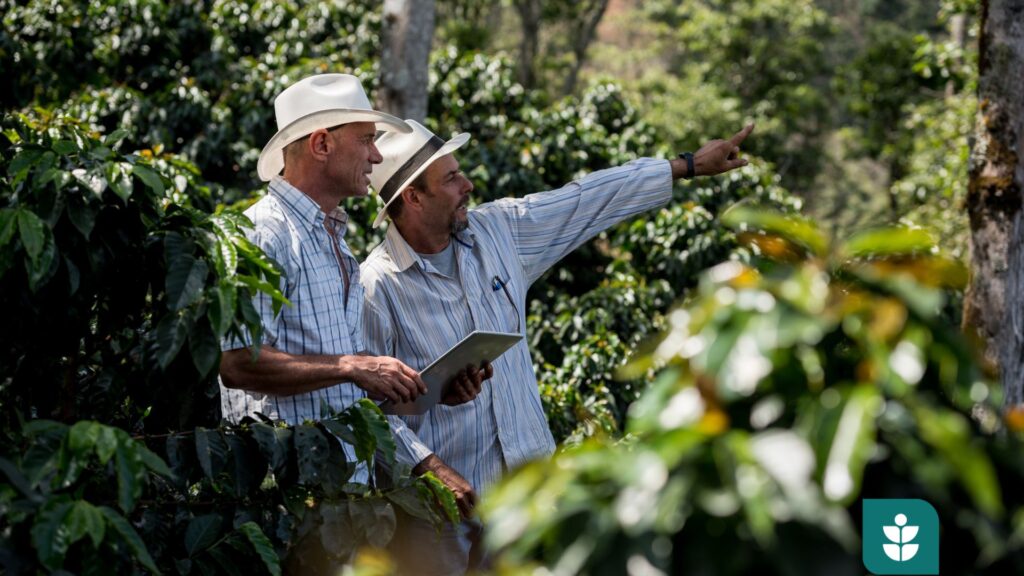
The main findings reveal that temperature increases lead to reductions in agricultural output, and that irrigation districts, as an adaptation measure to climate variability, do not appear to have a significant effect in counteracting these impacts. The study also finds that practices such as the use of shading could help reduce local temperatures. Likewise, it highlights the need to analyze the impact of measures that mitigate the effects associated with temperature changes rather than those linked to rainfall variability.
Authors:
Sioux Fanny Melo León
Germán David Romero Otálora
Diego Alejandro Buitrago
Leidy Caterine Riveros
Santiago A. Roa-Ortiz
Download the document at the following link:link